
Heat, Holidays and Happy Endings
My Favourite Summer Tropes
(Published in Writers’ Narrative Magazine, August Edition)
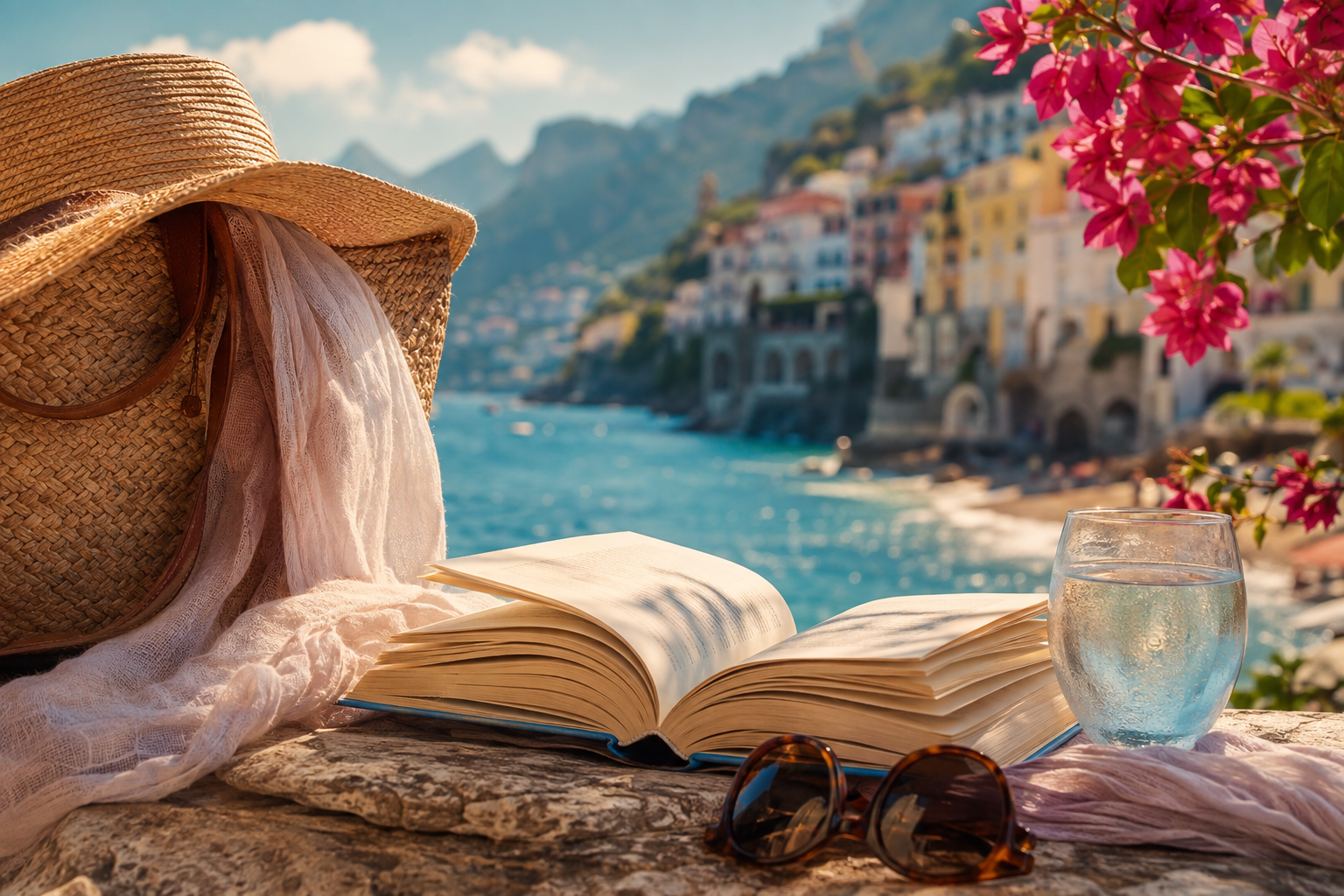
One of my favourite parts of packing for a holiday is deciding which book to take with me. Sometimes it’s the latest Michael Connelly, sometimes it’s a Richard & Judy Book Club pick or sometimes it’s an irresistible Lucy Score romance. Whatever I choose, I’m looking for the same thing. A story that completely sweeps me away while I’m lying beside a pool or under an umbrella on a beach.
I want to escape into a fictitious world where, despite the obstacles, everything makes sense in the end. I want to put it down with a smile on my face or a satisfied smirk, and go for a swim or out for dinner. I’m not saying it has to be light-hearted (I’m a crime writer, after all) but I want the bad guy caught, or the couple to find their happily-ever-after.
What I don’t want is to have to think about heavy concepts or political agendas, to tax my work-weary brain while the sun’s beating down or I’m enjoying the ocean breeze on my face. There is a time and a place for those novels too, don’t get me wrong, but my precious two-week holiday is not it.
My favourite holiday tropes are:
The Great Escape
Whether it’s a fortnight in Tuscany, a camping trip in Cornwall or a luxury cruise through the Norwegian fjords, holidays remove people from their everyday lives. That’s why this trope is high up on my holiday reading list.
I want to read about something extraordinary happening to the characters, outside of their usual routines. Once away from work and home life, where the normal rules no longer apply, characters often reveal a different side to themselves. New relationships form fast, and there’s a natural “ticking clock” as all holidays have to come to an end.
This trope is popular in women’s fiction, family dramas, romance and crime fiction. Think Death in Paradise, or some of Agatha Christie’s favourites, Evil Under the Sun or Peril at End House, both set in seaside towns during the summer.
Homecoming
Sometimes the journey is in the opposite direction. Returning home for the summer can reopen old wounds, revive forgotten friendships or force characters to confront the life they left behind.
Weddings, funerals, aging parents, inheritance, school reunions… all these can act as the catalyst for the homecoming. There’s an instant emotional conflict, before the plot has even begun.
Whether it’s a murder mystery or a Hallmark-style romance, this trope is ripe with emotional trauma, unhealed wounds, and reimaginings, which is why it’s one of my favourites.
Paradise with a Dark Side
One of fiction’s oldest tricks is placing terrible events somewhere beautiful. A sun-drenched Greek island. A luxury yacht. A picturesque seaside village. A remote vineyard. Readers instinctively associate sunshine with safety, making the inevitable danger even more unsettling.
I touched on this with the The Great Escape trope, however this is such a popular one, that it deserves a spot all of its own.
Bright settings can heighten the tension. A body discovered on a crowded beach, a murder at an idyllic wedding venue or a disappearance from a luxury cruise ship feels especially jarring because it violates our expectations. The postcard-perfect setting becomes a mask, hiding the darkness beneath.
Forced Proximity
This is a big trope in all types of fiction, from romance to thrillers and everything in between. When strangers find themselves in a tight knit community with no escape for a set period of time, hidden tensions and long-seated grievances raise their ugly head. It also provides a natural cast of suspects for a crime that’s been committed, or leads to unexpected friendships, romances and rivalries.
Recent common examples include books set on cruise liners, music festivals, resorts, islands and small towns.
Long, Hot Days
Summer itself can become an antagonist, a force pressing down on the characters in a novel. Heat affects people’s moods, shortens tempers, sleep is disrupted, wildfires threaten communities, and drought reveals hidden secrets like in Jane Harper’s brilliant novel, The Dry.
Of course, when the days are this long and hot, they have to break at some point, releasing the temperature and the tension. The storm gathers, then it breaks during the climax of the plot or romance, easing into the resolution.
Summer Events and Activities
While not the sexiest trope, this one does present wonderful opportunities for strangers to get together, communities to accumulate, and current and past conflicts to rise.
Think murder or “meet-cutes” at holiday resorts, hotels, campsites, village fêtes, food festivals and carnivals. Again, the forced proximity trope comes into play. The cast is set. The tension mounts, and the amateur sleuth, young couple or hard-boiled detective has their hands full.
Throw in the scorching temperatures, the newcomers or the homecoming, and you’ve got it all in one riveting beach read.
Holiday Settings
While this does come into play with the paradise trope, it deserves a mention of its own because the holiday setting in particular opens up a whole lot of new and different, sometimes dangerous situations that you won’t find in novels that aren’t in this subgenre.
At the coast, low tides reveal secrets, exposed caves, even bodies. Conversely, the rising tide creates a ticking time bomb, it hides all manner of sins, and can be dangerous for emergency workers, unsuspecting beachcombers and those up to no good.
Holiday photographs can capture something unexpected, children explore places they shouldn’t, dogs dig up gardens and beaches. The holiday setting is perfect for unexpected reveals and discoveries that can kickstart or add a twist to a story.
The Last Summer
One final summer before university, before retirement, before a divorce. A last season before the character loses the family home, or succumbs to illness. This feeling of the “last time” adds an emotional weight to the story and creates a natural deadline that adds excitement, tension and a “race against time” atmosphere making it unputdownable.
New Beginnings
While some stories end with summer, others begin there. Summer can signify a new beginning for characters. Maybe they’re relocating, buying a beach house, opening a cafe or taking a sabbatical. They could be starting over after a heartbreak, or moving abroad. They could be escaping something or someone, hiding in plain sight, or pretending everything is normal.
Summer has long symbolised possibility, making it the perfect backdrop for reinvention and new starts, but also opportunities to subvert those tried and tested norms for the sake of a thrilling plot. Summer isn’t simply a backdrop of sunshine and beaches. It’s a season that disrupts routine, brings people together, uncovers long-buried secrets and forces change.
Whether you’re into romance, crime, women’s fiction or literary fiction, summer provides ready-made catalysts for conflict.
So, next time you’re browsing the airport bookshop or loading your Kindle before a holiday, see how many of these ingredients you can spot. Chances are, your favourite summer read won’t rely on just one of them, it’ll combine several. A beautiful destination. A cast of strangers. A ticking clock. A buried secret. A fresh start. Mix those together and it’s no wonder some books seem impossible to put down until the very last page.
What are your favourite holiday tropes? Let us know in the comments below.